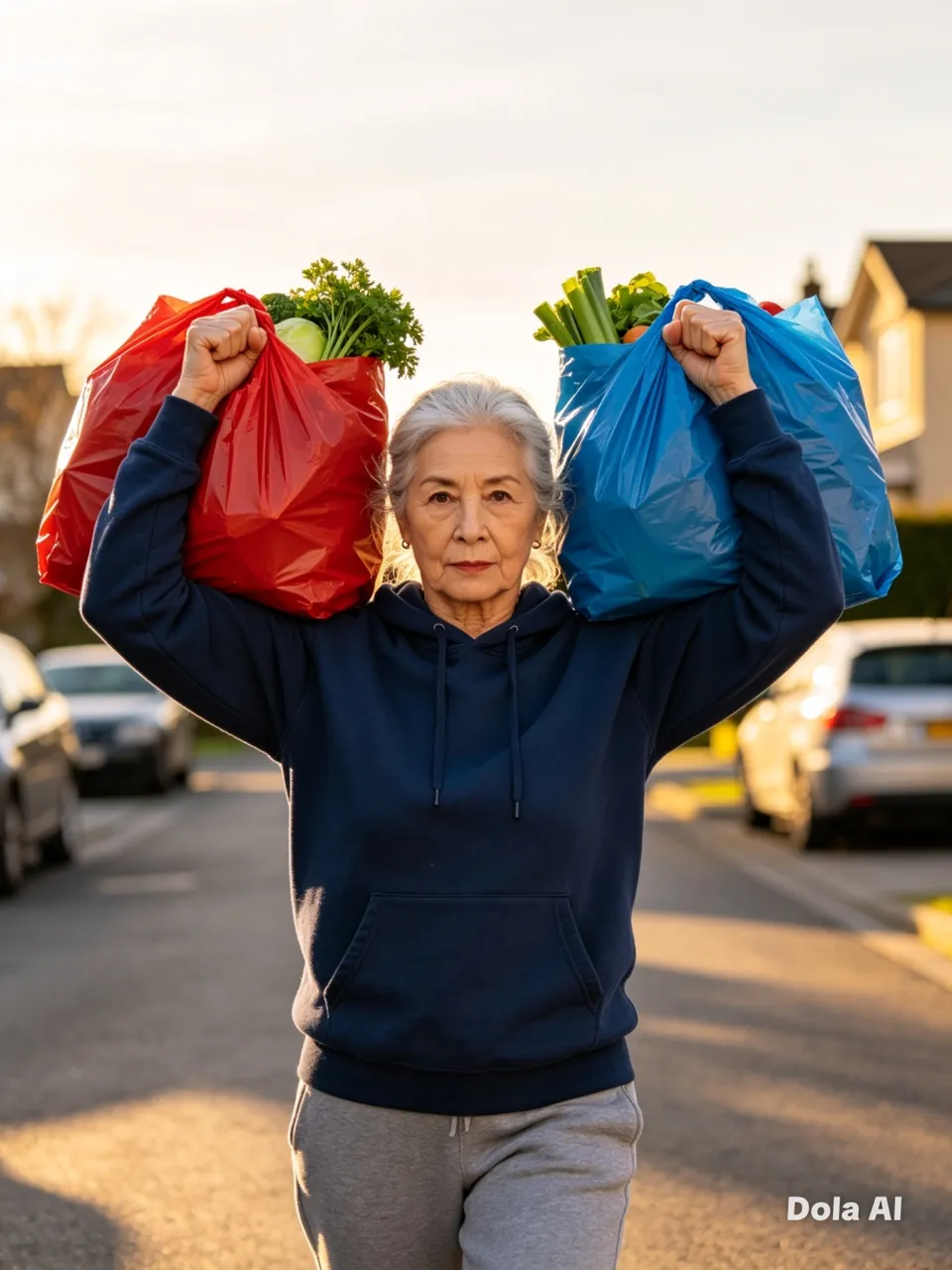
Is the gym still a good idea after 50?
Why Lifting Something Heavy Twice a Week Beats Every Supplement on the Shelf
Blog post draft — bestbeyond50.co.uk
A few weeks ago I wrote about how to spot a wellness scam — the cortisol gummies, the “natural Ozempic” capsules, the CBD oils promising to fix everything from joint pain to hot flushes. I ended that piece with a quiet promise to myself: spend less energy chasing the next miracle bottle, and more on the handful of things that actually move the needle.
This is the one that moves the needle most. Not a supplement. Not a gadget. Resistance training — and its quieter partner, balance work.
Muscle loss isn't a one-way street
Here's the bit that surprised me most doing the research for this: sarcopenia — the muscle loss that creeps in from our fifties onward — isn't something you simply manage or slow down. Multiple high-quality studies, including reviews focused specifically on older women, show resistance training can meaningfully rebuild strength, even for people diagnosed with sarcopenia in their eighties and nineties. The evidence is rated moderate to high quality — this isn't wellness-industry hand-waving, it's some of the most solid research in the whole field of ageing.
The muscle you build at sixty is the staircase you climb without thinking about it at seventy-five, and the grocery bag you carry without a second thought at eighty.
The number worth tracking: grip strength
If you only track one physical number from here on, make it grip strength. Researchers use it as a stand-in for whole-body muscle quality, and it's linked to bone density, fall risk, cognitive function, and — in a study spanning 28 countries — long-term mortality risk. It sounds dramatic for something so simple to test, but that's exactly why it's used so widely: it's cheap, fast, and tells the truth.
A proper hand dynamometer (the affordable digital ones are now validated as accurate against the clinical gold standard) costs less than a single bottle of an unproven supplement, and gives you a number you can actually trust and track every couple of months. No dynamometer to hand? A rough proxy: how long can you hang from a sturdy bar, or how confidently can you carry two full shopping bags up a flight of stairs without your grip giving way.
Strength and balance are a package, not a choice
It's tempting to treat “get stronger” and “work on my balance” as two separate to-do list items. They're not. Leg and hip strength is one of the biggest predictors of fall risk, and balance training without strength underneath it only gets you so far. The two need to be trained together.
And the numbers on falls specifically are striking. A major Cochrane review of over 23,000 people found that structured balance exercise cut the number of people who fell by 13%, and the overall rate of falls by 24%. Look at named programmes and the effect gets even bigger: Tai Ji Quan has shown 31–58% fewer falls in trials, the Otago Exercise Programme 23–40% fewer, and combined strength-and-balance training 20–45% fewer. One review even noted the benefits showed up more strongly in women-only studies — which matters given how much higher our fracture risk is after a fall.
What this actually looks like, weekly
•Resistance training 2–3 times a week — bands, weights, or bodyweight all count, as long as it gets progressively harder over time.
•Squats, sit-to-stands, and step-ups — unglamorous, and exactly the moves that protect you from a fall.
•5–10 minutes a day of balance practice — single-leg stance, heel-to-toe walking, or a structured class like Tai Chi.
•A grip strength check every couple of months, same time of day, same hand — the trend tells the story.
None of this needs a gym membership, a wellness influencer, or a £40 supplement subscription. It needs a resistance band, a sturdy chair, and the same discipline I used to apply to checking a property's numbers before I'd commit to it. The return on this particular investment, frankly, beats anything else on the shelf.
Your best years aren't behind you. They're being designed right now.
