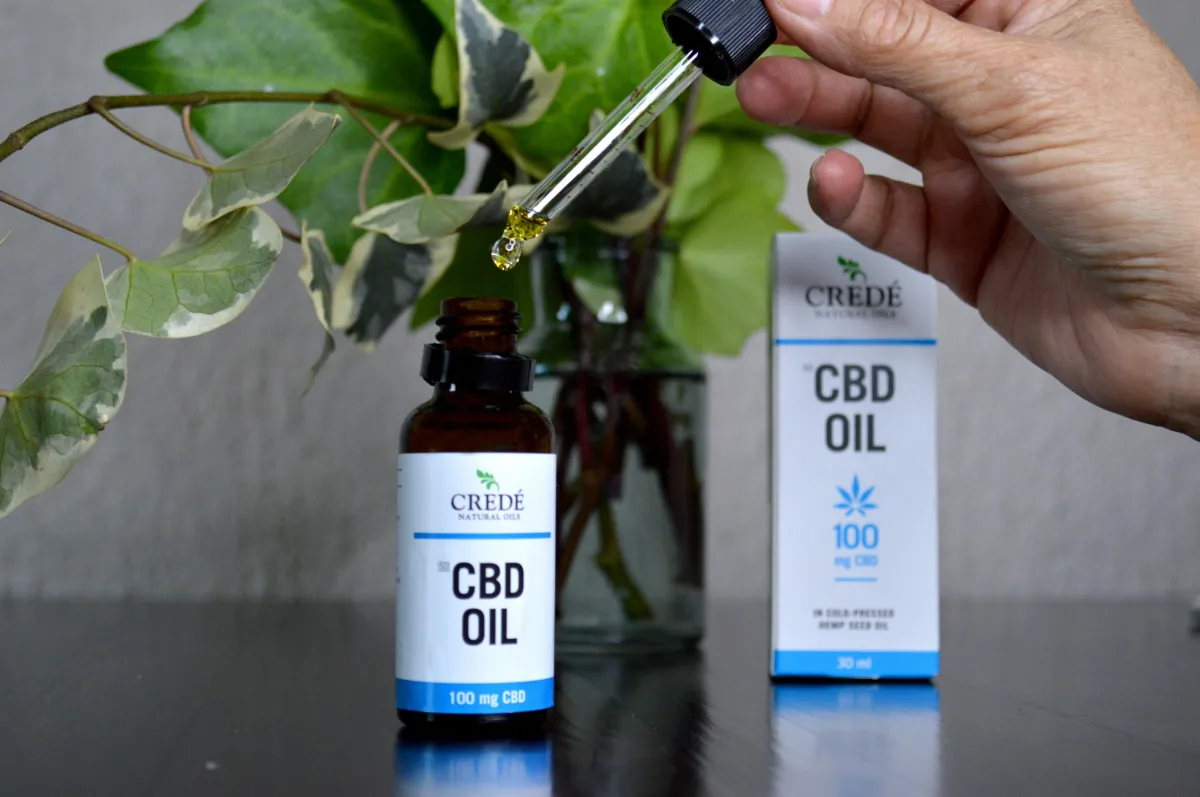
Are these wonder Products for over 50 women genuine? - Truth or Bunkum?
CBD, Cortisol Gummies, and the Cure-All Test Every Midlife Woman Needs
Blog post draft — bestbeyond50.co.uk
It's 9pm, you're scrolling, and an ad slides past promising a gummy that will “balance your cortisol,” a capsule that's “nature's Ozempic,” or a CBD oil that will finally fix the hot flushes nothing else has touched. The packaging is beautiful. The testimonial is glowing. And the price tag assumes you won't ask too many questions.
I spent decades reading numbers that don't lie — spreadsheets, void periods, profit and loss accounts. You learn fast that “trust me” is not a financial strategy. It turns out the same instinct applies just as well to a £35 bottle of oil as it does to a buy-to-let. So let's run a few of 2026's biggest midlife wellness promises through that same lens, starting with the one everyone's asking about.
The case study: CBD
There's genuine science behind CBD — it's just narrower than the marketing suggests. The reasonably supported uses are joint and inflammatory pain, and modest support for sleep and anxiety, mostly from trials using pharmaceutical-grade, standardised doses rather than the oil on the supermarket shelf.
Where it gets thin is the menopause-specific claims — hot flushes, night sweats, mood swings. There isn't a solid body of trials testing CBD against those symptoms directly. Most of that marketing borrows general anti-inflammatory or anti-anxiety research and stretches it to fit. The only CBD product with full medical approval, Epidiolex, is licensed for rare seizure disorders — nothing else.
Then there's the part nobody puts on the label. Independent lab testing — including a well-known Johns Hopkins study — has repeatedly found that roughly half of commercial CBD products contain significantly more or less CBD than stated. Some contained none at all. Others had detectable THC despite “THC-free” claims.
And for women our age specifically, there's a bigger issue than wasted money: CBD can interact with liver enzymes that process common medications — blood thinners, antidepressants, anticonvulsants among them. If you're on regular prescriptions, that's a conversation for your GP or pharmacist before it's a purchase.
It's not just CBD
Once you start applying this test, you see the same pattern everywhere this year:
•“Cortisol-balancing” gummies and cocktails — vague mystery blends, often at a 300% mark-up, for a problem better solved by sleep, walking, and less wine.
•“Natural Ozempic” capsules — usually underdosed berberine from brands with no clinical oversight. Properly dosed and medically supervised, berberine is a real tool. A £20 bottle from an online ad isn't that.
•Detox teas and cleanse kits — your liver already does this job for free. Most of these are laxatives in elegant packaging.
•The “primal” wave — freeze-dried beef liver capsules, bovine colostrum, fermented roe tonics. The nutrients are often real; the “ancestral hormone reset” language attached to them isn't.
•NAD+ boosters, NMN, resveratrol — popular “longevity” ingredients with early, mostly animal-based evidence, sold with human-scale promises.
For contrast, a few things genuinely earn their place in a midlife routine: collagen peptides (decent evidence for joints, skin and bone), creatine (good support for muscle and energy in women specifically), and omega-3 (a large UK Biobank analysis linked higher blood omega-3 levels to a 35–40% lower risk of early-onset dementia). The difference isn't “supplements are good or bad” — it's whether the claim was earned.
The vetting test
Before you buy anything promising a fix, run it through these five questions — the same ones built into the Scam Tester tool:
•Is there a named, dosed clinical trial behind this claim — or just “research shows”?
•Is the claim actually about my symptom, or borrowed from an unrelated study?
•Is there a third-party Certificate of Analysis less than six months old, and can I actually find it?
•Could this interact with anything I already take — and have I asked a pharmacist, not an influencer?
•Strip away the packaging and the testimonial — what's actually left?
None of this means swearing off supplements, or treating every wellness brand as the enemy. It means doing for your health what you'd do for your money: check the numbers before you commit. There are two times in life. Now. And too late — but spending on snake oil isn't urgency, it's noise.
Your best years aren't behind you. They're being designed right now.
