
Can I really start dating again After 60
Starting Over, Divorce After 60, Dating Again, Life After Divorce
Can I Really Start Dating Again After 60?
(bestbeyond50.co.uk/post/starting-over-after-60-divorce-dating-again
Short answer: yes — dating after 60 is a genuinely different, often better experience than dating younger, once you stop treating it as a rescue mission from loneliness and start treating it as an extension of a life you already enjoy.
Here's what I actually know now, at 70, that I didn’t know at 60 — and what dating, divorce, and rebuilding a life all look like from this side of it.
What do I know at 70 that I didn’t at 60?
I’m writing this from my balcony, looking out over Filey Bay. The tide’s out. It usually is when I write — there’s something about all that wet sand stretching to the horizon that makes me want to be honest.
I turned 70 this year. People say that number like it’s supposed to mean something — like I should be slowing down, tidying up, handing things over. Instead, I’m running a business I didn’t have at 60, building a property portfolio I didn’t have at 60, and writing to women I didn’t know I’d ever speak to at 60. If you’re somewhere in the middle of starting over after 60 or 50 — or wondering whether it’s even possible — here’s what I actually know now that I didn’t then.
The end of one life is not the end of your life. At 60, my marriage ended. I won’t pretend that was anything other than what it was — a complete dismantling of the life I thought I was going to have. The house, the routines, the version of myself that existed inside that marriage. All of it gone, more or less at once. What I didn’t understand at the time — what I genuinely could not have told you — is that this wasn’t the end of the story. There’s a difference between the end of a story and the end of your story. Nobody tells you that when you’re in the middle of losing everything. I know it now. I didn’t know it then.
You are not starting from zero.This is the one thing I wish I could go back and say to myself, loudly, in that flat I moved into. I’d spent decades being a wife, a mother, eventually a carer. None of that ever showed up on a CV. None of it felt like it counted for anything when I was staring down the idea of reinventing myself after divorce in my sixties. I thought I was starting from zero. I wasn’t. I was starting with thirty-odd years of skills nobody had ever asked me to name out loud: negotiation, under real pressure. Budgeting when there wasn’t much room for error. Reading a room before anyone said a word. Holding a family together through things that would have broken plenty of people. Crisis management, when someone had to carry on. I just hadn’t been taught to call any of that a qualification. It took me years to see that thewhybehind everything I built afterwards — the property business, this work, all of it — was rooted in those years of caring for other people. Not despite them. Because of them.
What 70 actually feels like.Mostly it feels like Tuesday morning, with the dogs underfoot and a coffee going cold while I work. It doesn’t feel like an ending. It doesn’t feel like a victory lap either. It feels like a Tuesday in the middle of something I’m still building. That’s the bit I most want you to hear. Seventy isn’t a finish line. Sixty wasn’t a collapse, even though it felt like one at the time. There is no age where the designing stops — not if you don’t let it.
There’s a man called Pat Mesiti who says something I come back to constantly:“There are two times in life. Now. And too late.”I spent some years thinking I’d arrived at “too late.” I hadn’t. I was just early into “now,” and I couldn’t see it yet.
Am I really starting from scratch after divorce at 60?
No. When you’re starting over after 60 — especially after a major life event like divorce — you’re not starting from scratch. You’re starting from experience, wisdom, and resilience that your younger self could only dream of having.
Still, it’s normal if your first reaction is fear. You might be thinking:“Who am I now that I’m no longer someone’s spouse? Will anyone want to date me at this age? Have my skills and qualifications expired with time?”Those questions are heavy, but they’re also a sign you’re ready to build a life more aligned with who you truly are now. Starting over isn’t about erasing your past — it’s about using it as a foundation for a more intentional future. At this stage, you get to choose what stays, what goes, and what finally gets your full attention.
You are not behind. You are right on time for this version of your life.
How do I actually grieve and heal from a divorce after 60?
Divorce after 60 — sometimes called “grey divorce” — is more common than many realise. Yet when it happens to you, it can feel isolating and shocking. You may have imagined growing old with one person, only to find yourself suddenly living alone, managing finances differently, and facing holidays and milestones in a new way.
Emotionally, divorce at this stage can bring a mix of grief and relief. You might mourn the life you thought you’d have, the shared history, the sense of identity tied to being part of a couple. At the same time, you may feel a quiet, surprising sense of possibility: permission to finally prioritise your own needs, voice, and dreams. Both feelings can exist at once, and both are valid.
This isn’t about “bouncing back” quickly. It’s about moving through grief at your own pace — feeling waves of sadness, anger, or confusion, even if you initiated the divorce; replaying conversations and wondering what you could have done differently; grieving not only the marriage, but the version of yourself you were inside it. Give yourself permission to seek support — a therapist, a divorce support group, a trusted friend, or a coach who understands this stage of life. Talking about it out loud helps you process it, rather than carrying it silently until it hardens into bitterness or self-doubt.
After years or decades of sharing decisions, routines, and social circles, you may ask, “Who am I on my own?” That’s where the beauty of starting over after 60 begins to show itself — you get to rediscover what kind of home environment truly feels like you, how you like to spend your evenings, which friendships genuinely nourish you. Divorce after 60 is a major loss, but it’s also a powerful invitation to be fully yourself, perhaps for the first time in decades.
What does dating after 60 actually look like now?
Dating again after a long marriage can feel intimidating, especially if the last time you dated, people mostly met through friends, parties, or work rather than apps and websites. But dating after 60 today is more flexible, more honest, and often more fun than you might expect. You’re not looking for someone to build a first life with. You’re looking for someone who fits the life you’re intentionally creating now.
A few things that genuinely help:
•Start with your “why.”Are you dating for companionship, romance, a long-term partner, or simply to meet new people? Knowing your intention helps you choose the right spaces.
•Be honest about your stage of life. You don’t need to pretend to be younger or want different things. Many people in their 60s and beyond want exactly what you want: shared values, emotional safety, respect for independence.
•Set gentle boundaries with technology. If dating apps feel overwhelming, limit your time on them — a few dedicated check-ins beat endless swiping.
•Prioritise emotional safety. After divorce, it’s easy to be drawn to people who offer quick comfort but little substance. Take your time. Look for consistency between words and actions.
•Keep your life full outside of dating. Dating should add to a life you already enjoy — not become a rescue mission from loneliness.
Beyond apps, you can meet people through local classes — art, language, dance, fitness — volunteering for causes you care about, or community and faith groups with regular gatherings. The goal isn’t to chase every opportunity, but to place yourself somewhere that feels natural, so you show up as yourself rather than as a performance.
How do I rebuild the rest of my life — money, work, daily routine — after 60?
Life after divorce at 60 and beyond isn’t just about relationships. It’s your entire ecosystem: home, finances, health, purpose, daily rhythm. The transition can be overwhelming, but it’s also a genuine opportunity to design a life that fits who you are today, for the next 20 or 30 years.
Start small rather than trying to reinvent everything at once: a simple morning routine to anchor your day in calm rather than chaos, regular time with people who uplift you, revisiting an old interest or trying something entirely new. These small choices add up — they signal to your nervous system that you’re safe, capable, and allowed to enjoy your own company. From that grounded place, decisions about dating, work, and the future get clearer and less reactive.
Divorce after 60 often changes your financial picture too — you might be managing money alone for the first time in years, or wondering whether you need or want to work again. This is exactly where the doubt about “outdated skills” tends to surface. If you’re worried your skills have dated, think in terms ofupdating, not starting from zero. A short course, a local workshop, or mentoring can refresh your language and knowledge without dismissing everything you already know. When you talk about your qualifications — to yourself, on a CV, or on a dating profile — lean into the strengths that have actually grown with age: wisdom, reliability, perspective, emotional maturity.
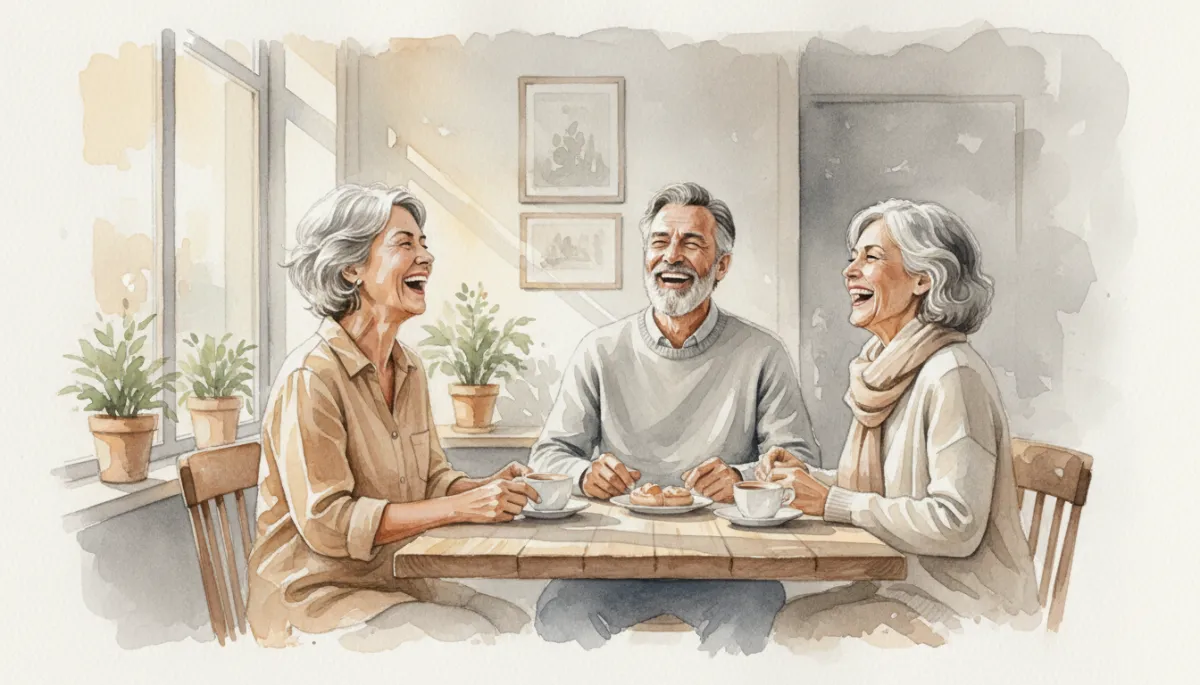
Shared activities and relaxed settings make senior dating feel natural and low-pressure.
Bringing it all together
Starting over after 60 isn’t one single decision. It’s a series of small, courageous choices. You grieve a marriage and let yourself feel the loss. You rebuild daily routines that actually work for you. You step carefully but bravely into dating again. And you slowly, steadily rediscover that your qualifications and worth were never gone — they were simply buried under years of caregiving, compromise, or self-doubt.
You’re allowed to feel both scared and hopeful at once. You don’t need to rush into another relationship to prove you’re lovable — your value exists whether you’re partnered or not. And your life experience is an asset, not a liability. The right people — friends, employers, partners — will see and appreciate that.
If any of this sounds like the chapter you’re standing in right now — the dismantling, the wondering whether your years of experience count for anything, the question of whether it’s too late to start again — start by getting clear on what your next chapter actually looks like.
Take our free Second Chapter Confidence Quiz— a few minutes, an honest starting point.
👉[Take the Second Chapter Confidence Quiz →]
It is not the end. It is a new chapter.
FAQ
Is it normal to feel both relief and grief after a divorce at 60?Yes — both feelings commonly exist side by side, and neither one cancels the other out. It’s a genuine, valid response to a major life change, not a contradiction to resolve.
How is dating after 60 actually different from dating when younger?It’s generally more intentional — most people already know their values and what they want, rather than dating to figure that out, which tends to make connections more honest and less performative.
Do I need to update my skills before considering going back to work after 60?Not from zero — think refreshing rather than restarting. A short course or workshop can update your language and tools while your underlying experience and judgment remain a genuine asset..
