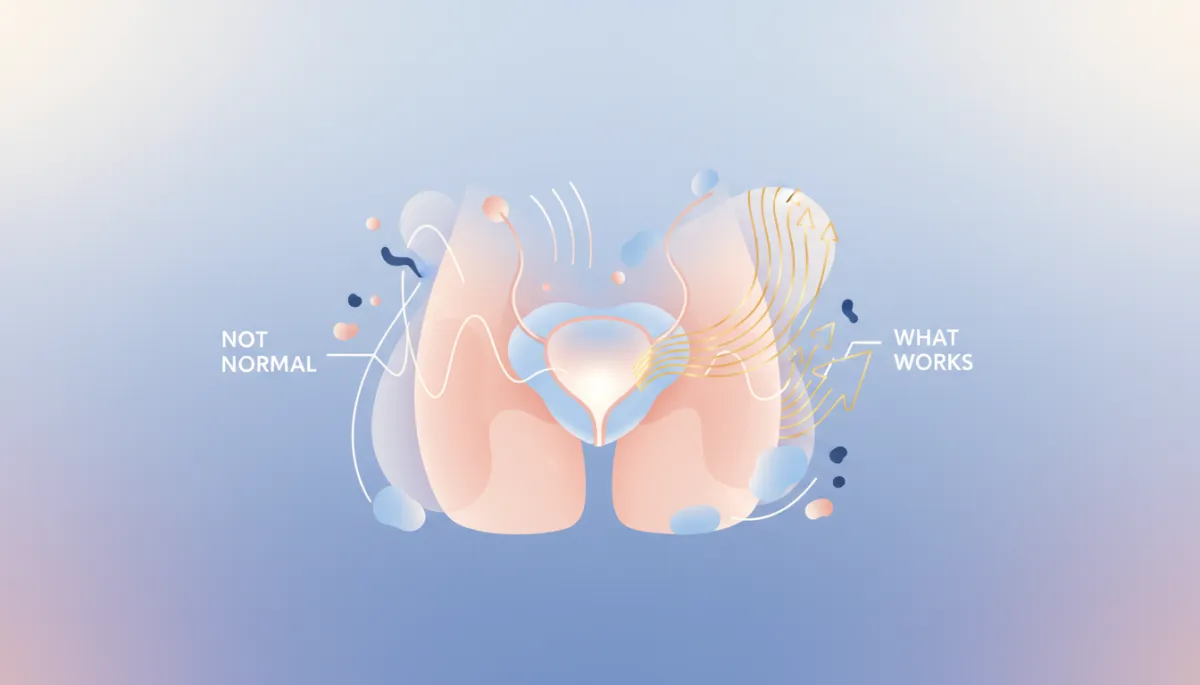
Can I do anything to help with Pelvic Floor & Bladder Health After 50
Women's Health, Pelvic Floor, Bladder Health
Can I do anything to help with Pelvic Floor & Bladder Health After 50?
(bestbeyond50.co.uk/post/pelvic-floor-bladder-health-after-50
Short answer: yes, and it’s more common — and more treatable — than most women realise, though almost nobody talks about it openly.
Here's what’s actually normal, what isn’t, and what genuinely works.
A lot of women I know struggle secretly with this. Leaking when they sneeze or laugh, needing to know where the nearest toilet is before they’ll commit to an outing, wearing pads “just in case.” It’s usually a side effect of pregnancy, and a traumatic birth in particular can weaken the muscles involved. I was — genuinely, go figure — saved by having a Caesarean. It’s not something anyone chooses for that reason, but it’s a real illustration of how much birth experience shapes this, decades later. And it’s not just inconvenient — it can affect a woman’s confidence and her libido, knowing she might need to reach for the Tena pants before anything intimate happens. None of that should be something we just quietly live with.
What is normal for your pelvic floor and bladder after 50?
Bodies change with age, hormones, and life events like pregnancy, birth, and menopause. After 50, it’s normal for bladder capacity to feel a little smaller, for the pelvic floor to feel fatigued after a long day on your feet, and for lower oestrogen to make tissues thinner and drier — which can change how the urge to go actually feels. These changes are common, but they should still feel manageable. You should be able to laugh, walk, and sleep through most nights without worrying about sudden leaks or pain.
What is not normal — and deserves attention?
Many women are told to just live with it, but bladder and pelvic floor symptoms are not an inevitable price of getting older. It is not normal to regularly leak when you cough, sneeze, laugh, or exercise; to feel a sudden, overwhelming urge to go and struggle to make it in time; to wake repeatedly through the night; to feel heaviness or pressure in your vagina by the end of the day; or to experience pain with sitting, intercourse, or bowel movements. These are common, but they’re treatable — and if they’re changing how you socialise, exercise, or enjoy intimacy, it’s worth seeking help from a pelvic health physiotherapist, continence nurse, or your GP.
.
3. What Actually Works to Support Your Pelvic Floor and Bladder?
Pelvic floor exercises, done correctly are one of the most researched and effective tools for bladder control — and this is genuinely the headline advice: get going on those pelvic floor exercises. A correct contraction feels like a gentle lift and squeeze around the vagina and anus, without clenching your buttocks or holding your breath. Mix slow holds (5–10 seconds) with quick squeezes, several times a day. If you’re not sure you’re doing them right, a pelvic health physio can check and guide you properly.
Bladder-friendly habits help too: aim for roughly every 2–4 hours in the day rather than “just in case” trips, which can train your bladder to feel full too soon, and stay hydrated without overdoing caffeine or fizzy drinks if urgency is an issue.
Whole-body support matters as well — gentle strength training, walking, and avoiding constipation or straining all reduce pressure on your pelvic organs, and maintaining a healthy weight eases the load further.
Extra support when you need it might mean topical oestrogen to improve tissue health after menopause, a pessary for prolapse symptoms or leakage, or, for more severe cases, medication or surgery discussed with your clinician.
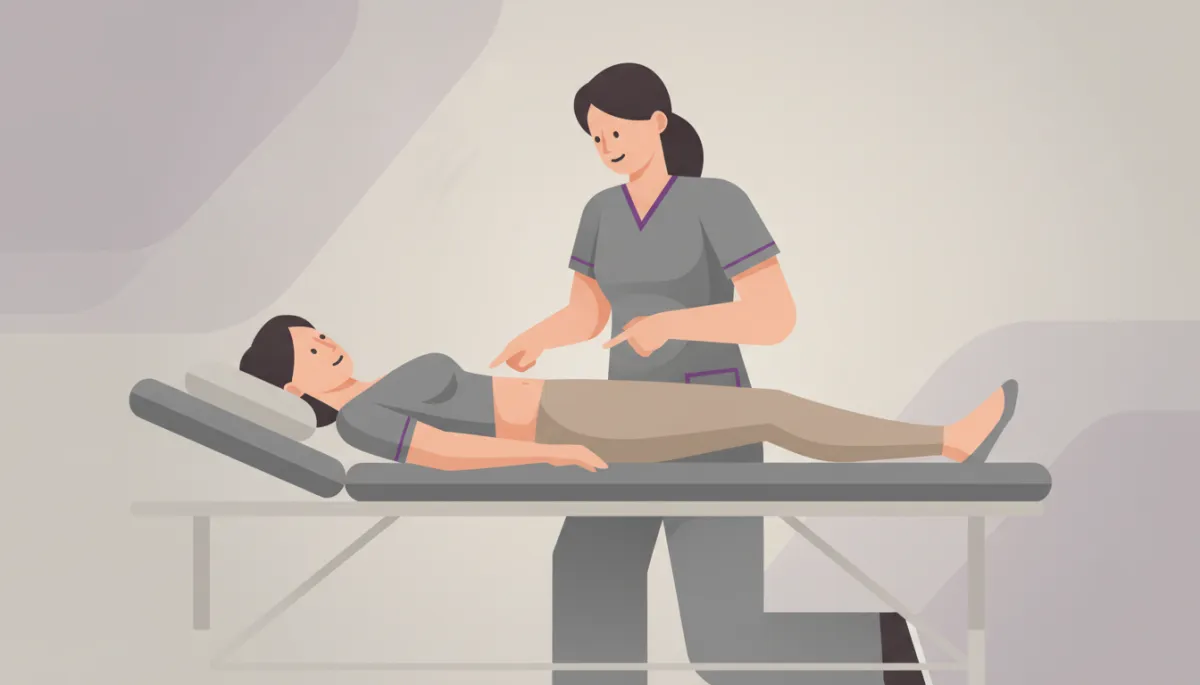
Guided pelvic floor training often reduces leaks and urgency within a few focused weeks.
Reclaiming confidence after 50
Your 50s and beyond shouldn’t mean organising every outing around toilet stops, or quietly deciding intimacy is more trouble than it’s worth. With the right information and a bit of consistent effort, real improvement is genuinely common — often within a few focused weeks. If your body is sending you signals that something isn’t quite right, that’s worth listening to, and it’s certainly nothing to be embarrassed about.
If pelvic and bladder health is one of several areas you’d like a clearer picture on, start with our free Second Chapter Confidence Quiz.
👉[Take the Second Chapter Confidence Quiz →]
FAQ
Is bladder leakage after 50 just something I have to live with? No — it’s common, but not normal in the sense of being untreatable. Pelvic floor training, lifestyle changes, and medical support can all make a real difference.
Does a Caesarean prevent pelvic floor problems entirely? Not entirely, but it does reduce the specific trauma to pelvic floor muscles associated with vaginal delivery, particularly instrumented births — it’s one of several factors, not a guarantee either way.
How long before pelvic floor exercises actually make a difference? Many women notice real improvement within a few weeks of consistent, correctly-performed training — though a pelvic health physio can help confirm you’re doing them right from the start.
