
Is a cancer diagnosis still a death sentence in the 21st century?
Cancer Awareness, 21st Century Health, Women Over 50
Is A Cancer Diagnosis still a death sentence in the 21st Century?
(bestbeyond50.co.uk/post/cancer-awareness-health-women-over-50
Short answer: no — for most cancers, a diagnosis today is not the death sentence it once was. But “better odds” isn’t the same as “nothing to worry about,” and I’ve watched both ends of that spectrum in my own family.
Here's the honest picture.
I lost my darling Dad to non-Hodgkin’s lymphoma for no apparent cause over 20 years ago and my wonderful Grandfather to lung cancer many years before that when I was still a teenager — a lifetime of cigarettes finally catching up with him. I can still remember, as a child, visiting him in the radiation ward at Clatterbridge. The room was thick with smoke — patients were allowed to smoke as much as they liked in there, because by that point it was considered too late for it to matter. I’ve never touched a cigarette in my life. That room made sure of it.
That was a different era of cancer care. The picture today is genuinely, measurably better — but it’s worth knowing exactly how, and where the real gaps still are.
Are We Winning the Fight Against Cancer?
In many ways, yes. Survival rates for several cancers have improved significantly over the last few decades. Earlier diagnosis, better treatments, and stronger Cancer Awareness campaigns mean more people are living longer, fuller lives after a diagnosis. Screening programs for breast, cervical, and colorectal cancers are detecting disease at stages when it is more treatable and sometimes even curable.
Yet cancer is still one of the leading causes of death worldwide. Longer life expectancy, sedentary lifestyles, and exposure to environmental risks mean that the number of cases continues to rise, even as treatments improve. So while we may be better equipped than ever before, we cannot afford to become complacent. In the 21st Century Health landscape, the question is not whether we should still be worried about cancer, but how we can turn concern into practical Cancer Prevention and early detection.
💡 Key Takeaway: Advances in medicine mean more hope, but personal vigilance and regular screening still make a critical difference.
Why Cancer Still Deserves Your Attention in the 21st Century
Today, Cancer Awareness is about more than fear. It is about understanding your personal risk, knowing which screenings are right for you, and making everyday choices that support long‑term health. Lifestyle factors such as smoking, heavy alcohol use, poor diet, and lack of movement remain significant contributors to cancer risk. At the same time, genetics and family history can quietly increase vulnerability, especially for certain breast, ovarian, and colon cancers.
The good news is that experts estimate a substantial proportion of cancers could be prevented through healthier habits and timely screening. That is why responsible brands in wellness and health education emphasize practical steps rather than scare tactics. Thoughtful Cancer Prevention is about realistic, sustainable changes that fit into everyday life, not perfection or blame.
Not smoking or seeking help to quit if you do
Limiting alcohol and maintaining a healthy weight
Eating more plants and fewer highly processed foods
Protecting your skin from excessive sun exposure
What Women Over 50 Should Know About Cancer Risk
For Women Over 50, the conversation around 21st Century Health becomes even more important. Hormonal changes around menopause, accumulated lifestyle exposures, and natural aging all influence cancer risk. This does not mean a diagnosis is inevitable; it means this is a powerful time to be proactive and informed, especially about breast, ovarian, uterine, and colorectal cancers.
Essential Breast Cancer Tips for Women Over 50
Breast cancer risk increases with age, and regular screening becomes more important after 50. Recommendations vary slightly by country and personal risk level, but many guidelines suggest mammograms every one to two years from age 50 onward. Talk with your doctor about your family history, any previous biopsies, and whether you might benefit from additional imaging or genetic counseling.
Know what is normal for your breasts and report changes promptly
Keep up with scheduled mammograms, even if you feel well
Ask about how your breast density may affect screening choices
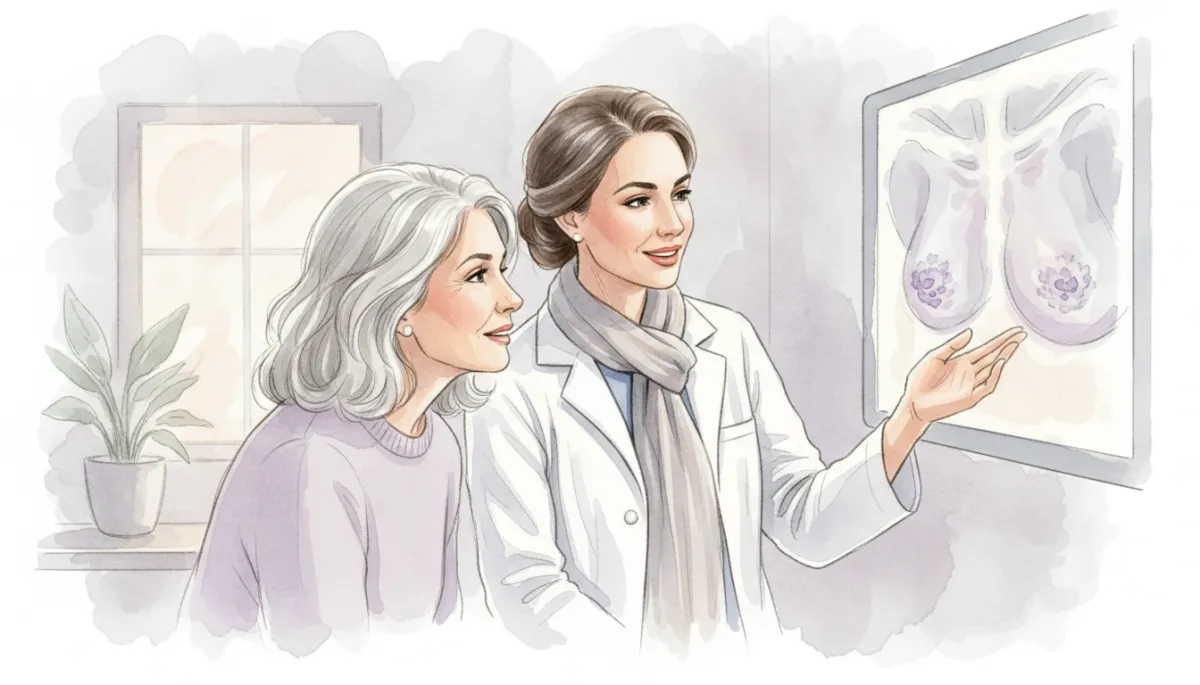
Regular mammograms help detect breast cancer earlier, when treatment options are wider.
Other Key Health Risks to Watch After 50
Beyond breast cancer, Women Over 50 should stay informed about other important screenings. Colonoscopies or stool‑based tests can detect colorectal cancer early or even prevent it by removing precancerous polyps. Pelvic exams and, where recommended, Pap tests and HPV testing help monitor for cervical and uterine changes. For some women, especially those with strong family histories, conversations about ovarian cancer risk and genetic testing may also be appropriate.
💡 Pro Tip: Create a simple screening calendar with your healthcare provider so you know exactly which tests are due and when.
Turning Worry Into Action
In the 21st century, being worried about cancer is understandable, but it should not leave you feeling helpless. Modern Cancer Awareness is about clarity, confidence, and choice. By understanding your Health Risks, embracing realistic Cancer Prevention habits, and staying on top of age‑appropriate screenings, you give yourself the best chance of catching problems early—or preventing them altogether.
Whether you are approaching 50 or well beyond it, the most powerful step you can take is to start the conversation—with your doctor, your loved ones, and yourself. Worry may be what gets your attention, but informed, consistent action is what protects your health in the decades ahead.
What other screening should women over 50 actually have?
•Bowel: Colonoscopies or stool-based home tests can catch colorectal cancer early, or prevent it entirely by removing precancerous polyps before they progress.
•Cervical/uterine: Pap and HPV testing continue to matter through this decade — don’t assume screening stops being relevant once you’re past your forties.
•Family history: If ovarian, breast, or blood cancers like lymphoma run in your family, a conversation with your GP about genetic counselling is worth having sooner rather than later.
What can I do to lower my risk?
The lifestyle factors that move the needle are the unglamorous, familiar ones: not smoking, limiting alcohol, maintaining a healthy weight, eating more plants and fewer ultra-processed foods, and protecting your skin from excessive sun exposure. My grandfather’s story is the clearest possible illustration of the one that matters most — cigarettes took him a lifetime early, in a ward where lighting up was still someone’s only comfort. None of this is about perfection. It’s about the pattern over years, not any single choice.
Advances in medicine and longevity science genuinely do give us more reason for hope than my grandfather’s generation had. Worry on its own doesn’t protect you, though. A screening calendar does. Ask your GP or practice nurse to help you map out exactly which tests you’re due, and when, so nothing falls through the gap between appointments.
Want a clearer picture of where you stand, health included, as you design your next chapter? Take our free Second Chapter Confidence Quiz.
👉[Take the Second Chapter Confidence Quiz →]
FAQ
Is a cancer diagnosis after 50 more or less survivable than it used to be? More, for most common cancers — thanks to earlier detection and better treatment. Outcomes vary significantly by cancer type and stage at diagnosis, which is exactly why screening timing matters.
Do I need genetic testing if cancer runs in my family? Not automatically — but it’s worth a GP conversation, especially for breast, ovarian, or blood cancers with a strong family history.
What’s the single most useful thing I can do this year? Book whichever screening you’re overdue for. It’s the one action with clear, direct evidence behind it. care has advanced dramatically, yet it remains one of the most talked‑about health risks of our time. This article explores what Cancer Awareness really means today, why we should still pay attention, and what Women Over 50 in particular need to know about Cancer Prevention and Breast Cancer Tips in the 21st Century Health landscape.
